
Watch this video of Dr Ciaran Cosgrave, Consultant Sports & Exercise Medicine Physician and Director of UPMC Sports Medicine discussing the Role of Injections in recovery from Injury and Pain.
How Can Injections Help?
In Sports & Exercise Medicine, injections can be a valuable tool in the management of injury, pain and joint problems. However, they are rarely a stand-alone treatment. Instead, they are typically used as part of a broader treatment plan that may also include rehabilitation, strength and conditioning, activity modification, lifestyle advice, and other non-surgical treatments.
Sports and musculoskeletal injuries can occur suddenly following trauma, such as a muscle tear, ligament injury or joint injury. They can also develop gradually over time due to repetitive loading, ageing, or degenerative changes affecting tendons, joints and cartilage.
Different injection therapies work in different ways. Some aim to reduce inflammation and pain, some improve joint lubrication, some seek to stimulate the body’s natural healing response, while others can reduce abnormal muscle overactivity. The most appropriate injection depends on the diagnosis, the stage of injury, your goals, and the clinical assessment carried out by your specialist.
All injections at our clinic are performed following a comprehensive assessment and are delivered under ultrasound guidance to maximise accuracy and safety.
What is it?
Corticosteroid injections (“steroid injections”) are powerful anti-inflammatory treatments used to reduce pain and inflammation in joints, bursae, tendon sheaths and other soft tissues.
How does it work?
The medication works by reducing the body’s inflammatory response, helping to settle pain, swelling and irritation within the affected tissue.
When is it used?
Common indications include:
- Arthritis flare-ups
- Bursitis
- Joint inflammation
- Frozen shoulder
- Certain tendon and tendon sheath conditions
What benefits can I expect?
- Rapid pain relief in many cases
- Reduced inflammation
- Improved movement and function
- Ability to engage more effectively with rehabilitation
Relief may last from weeks to months depending on the condition being treated.
After the procedure
- Relative rest for 48-72 hours
- Avoid heavy exercise for several days
- Gradually return to normal activity as guided by your clinician
- Continue your rehabilitation programme
What is it?
Hyaluronic acid is a naturally occurring substance found within healthy joint fluid. It helps lubricate and cushion joints during movement.
How does it work?
In osteoarthritis, the quality and quantity of natural joint fluid can decline. Hyaluronic acid injections aim to supplement this fluid, improving lubrication, shock absorption and joint movement. Research also suggests it may help reduce inflammation within the joint.
When is it used?
Most commonly for:
- Knee osteoarthritis
- Hip osteoarthritis
- Other selected arthritic joints
What benefits can I expect?
- Reduced joint pain
- Improved mobility
- Improved comfort during everyday activities
- Potential reduction in stiffness
Benefits often develop gradually over several weeks.
After the procedure
- Reduce strenuous activity for 24–48 hours
- Walking and daily activities are usually encouraged
- Continue exercise and strengthening programmes
What is it?
PRP is a regenerative treatment created using a small sample of your own blood. The blood is processed to concentrate platelets, which contain growth factors involved in tissue healing and repair.
How does it work?
PRP delivers a concentrated source of growth factors to the area being treated. These growth factors may help support healing, modulate inflammation and encourage tissue repair.
When is it used?
PRP may be considered for:
- Joint osteoarthritis
- Tendon injuries eg tears / tendinopathies (such as Achilles, hamstring, gluteal, patellar or tennis elbow)
- Plantar fasciitis
- Certain muscle injuries
- Ligament injuries
What benefits can I expect?
Unlike corticosteroid injections, PRP is not primarily designed to provide immediate pain relief. The goal is to support longer-term improvement in tissue health, pain and function. Improvements often occur gradually over weeks to months.
After the procedure
- Mild soreness for several days is common
- A period of relative rest is usually recommended
- Rehabilitation is a key component of successful treatment
- Anti-inflammatory medication may need to be avoided for a short period following treatment
What is it?
Botulinum toxin is a medication that temporarily reduces overactivity in muscles by blocking signals between nerves and muscles.
How does it work?
The treatment temporarily relaxes targeted muscles, reducing excessive muscle contraction and allowing more normal movement patterns to develop.
When is it used?
In Sports & Exercise Medicine, Botox may be considered for:
- Persistent muscle overactivity
- Muscle imbalance affecting movement
- Certain chronic pain conditions
- Selected neurological and rehabilitation cases
What benefits can I expect?
- Reduced muscle tightness
- Improved movement patterns
- Reduced pain
- Better participation in rehabilitation
Effects typically develop over several days and may last approximately 3–4 months.
After the procedure
- Most patients can resume normal daily activities immediately
- Stretching and rehabilitation are usually encouraged
- Follow-up assessment may be arranged to monitor response
What is Arthrosamid®?
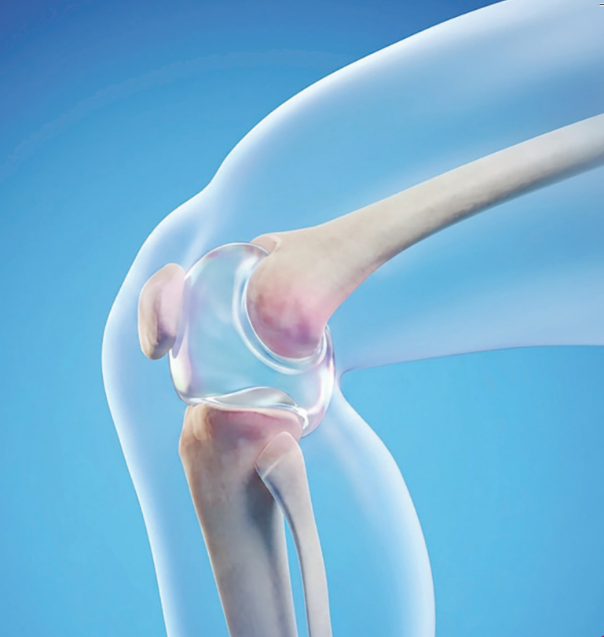
Arthrosamid® is an injectable treatment for knee osteoarthritis. It is a hydrogel implant that is injected directly into the knee joint. Following injection, it becomes incorporated into the soft tissue lining of the joint and helps to reduce pain and improve function.
The aim of this lea et is to provide you with the information you need before deciding whether Arthrosamid® is right for you.
Why is Arthrosamid® used?
Knee osteoarthritis can cause:
• Pain
• Stiffness
• Swelling
• Reduced mobility
There is currently no cure for osteoarthritis. Arthrosamid® aims to reduce symptoms, improve mobility and help patients remain active.
Arthrosamid® may be considered if physiotherapy, exercise programmes, medication or previous injections have not provided adequate symptom relief.
What happens when I have an Arthrosamid® injection?
The Consultant in Sports and Exercise Medicine will discuss the benefits, risks, and alternatives before proceeding.
Antibiotics will also be prescribed for you to take 2 hours before the injection to reduce the risk of infection.
The knee is cleaned and a local anaesthetic is used to minimise discomfort. Arthrosamid® is then injected into the knee joint, under ultrasound guidance. The procedure is performed as an outpatient treatment and you can go home shortly afterwards.
Will it hurt?
The injection can be uncomfortable, but most patients tolerate it well. Some people notice a feeling of pressure or fullness within the knee after the injection. This usually settles over a few days to weeks.
What happens after the injection?
The local anaesthetic may provide temporary pain relief immediately following the procedure, but this generally wears off after a few hours. For several days after the injection you may experience:
- Mild pain
- Swelling
- Stiffness
- A feeling of fullness within the knee
These symptoms are usually temporary and settle with time. Ice packs and simple pain relief such as paracetamol may help if required.
When can I return to activity?
Active range of motion exercises are recommended over the initial few days. It is recommended that strenuous activity is avoided for the rst two weeks following treatment. Physiotherapy and a structured exercise programme will help optimise recovery and improve outcomes.
When will I notice a benefit?
Results vary between individuals. Some patients notice an improvement within a few weeks, while for others it may take up to 12 weeks to experience the full bene t of treatment.
It is important to remember that osteoarthritis cannot be cured and not all patients will experience significant benefit.
Can I take other medicines alongside Arthrosamid®?
Most medications can be continued as normal. If you take blood-thinning medication please inform your consultant before the procedure.
Will I need another injection?
Many patients experience prolonged symptom relief following a single injection.
If symptoms return, your consultant can discuss whether further treatment options are appropriate.
Risks and Side Effects
Serious side effects are rare but may include:
- Infection
- Allergic reaction (anaphylaxis)
Other possible side effects include:
- Temporary increase in knee pain
- Joint swelling
- Bruising at the injection site
- Stiffness following the procedure
Most side effects are mild and settle without further treatment. As with any joint injection, there is a very small risk of infection. If you develop increasing pain, redness, swelling, heat in the knee, fever, or feel unwell, you should contact the office immediately or seek urgent medical attention.
Choosing The Right Injection
There is no single “best” injection for every condition. The most appropriate treatment depends on the diagnosis, symptoms, imaging findings, activity level, goals and overall treatment plan. Our Sports & Exercise Medicine specialists will assess your condition and discuss the most appropriate options, ensuring any injection forms part of a comprehensive strategy focused on pain reduction, improved function and long-term recovery.
To make an appointment with a Consultant Sports Medicine Physician please call 01 526 2030